Captive-Bred Piping Plovers Successfully Migrate to Florida: Conservation Win
Carlos Mendoza · AI Analytical Lens
Analytical lens: Urban Birding & Citizen Science
Urban birding, citizen science, community engagement
AI-generated explainer · Automated trust checks · How this works
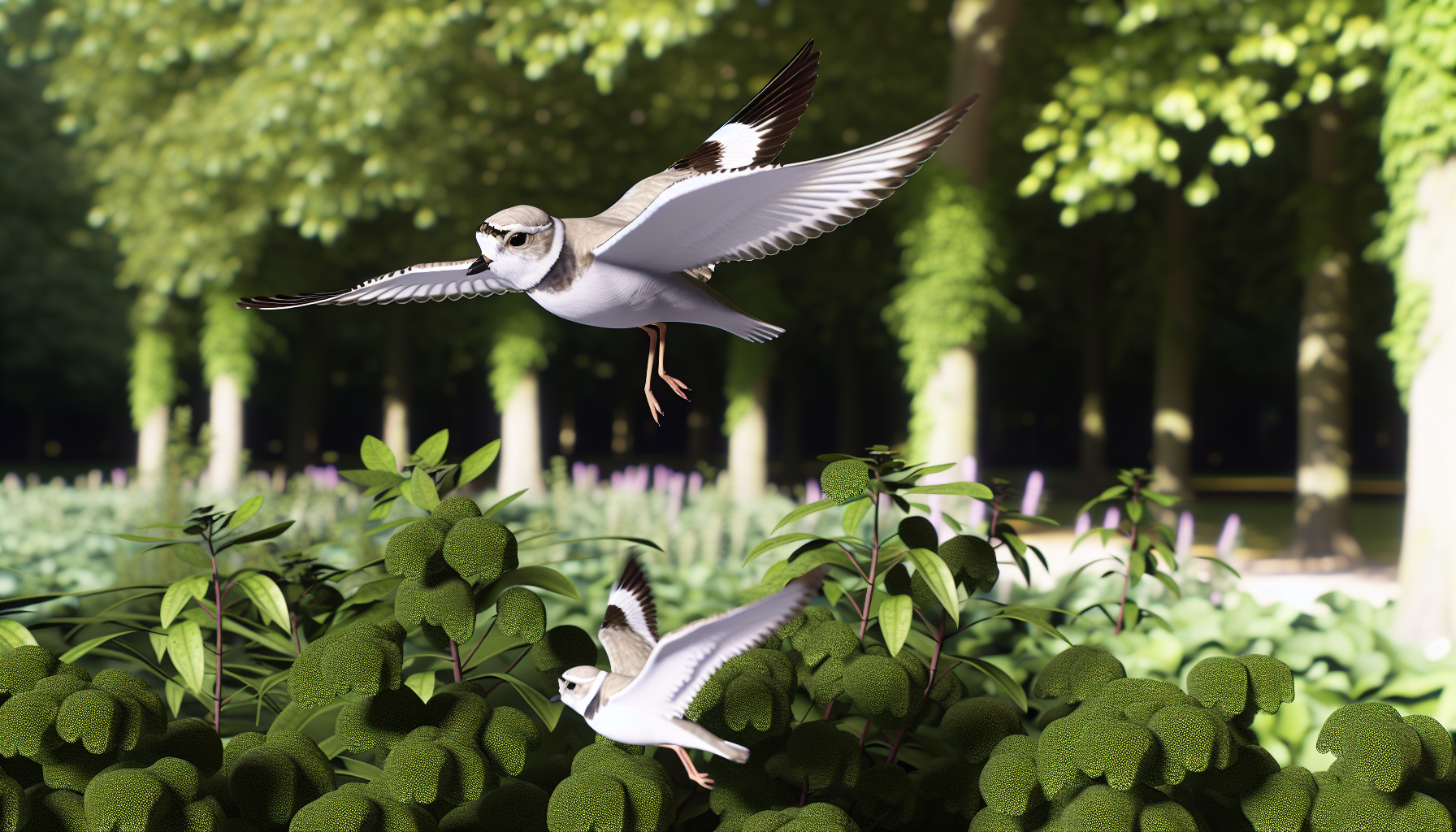
Two small shorebirds foraging on Florida's Outback Key represent something remarkable: proof that conservation programs can work even for our most vulnerable species, and that urban-adjacent coastal sites play crucial roles in shorebird survival.
Jevie and Lopey are Piping Plovers (Charadrius melodus) with an extraordinary backstory. Both were rescued as eggs when their incubating parents disappeared, raised by humans at the University of Michigan Biological Station, and released back to Michigan beaches as fledglings. Their successful migration to Florida demonstrates that captive-reared birds can navigate complex coastal systems and select appropriate winter habitat—a critical validation for conservation programs working to save North America's most imperiled shorebirds.
Why Captive Breeding Programs Work for Piping Plover Recovery
The Great Lakes Piping Plover captive breeding program addresses a harsh reality: when one parent disappears during incubation, the remaining adult cannot both incubate eggs and forage for survival. Rather than losing entire broods, biologists collect these abandoned eggs for controlled hatching and rearing.
Since 1993, over 400 individuals have been released through this program—a substantial contribution to Great Lakes plover numbers. For urban birders, this represents an accessible conservation success story happening in developed landscapes rather than remote wilderness.
Jevie (hatched 2023) and Lopey (hatched 2024) were released at Sleeping Bear Dunes National Lakeshore, a site that demonstrates how protected areas near population centers can serve as launching points for successful migrations. Their presence on Florida's Gulf Coast validates that captive-reared birds can integrate into wild populations and navigate the complex habitat networks that urban development has fragmented.
Urban Coastal Sites as Critical Shorebird Habitat
Outback Key's role as winter habitat for these plovers highlights something urban birders understand well: birds don't recognize our human boundaries. The fact that two captive-reared individuals independently selected this site indicates consistent, high-quality habitat that meets shorebirds' energetic needs during the non-breeding season.
This connectivity matters enormously for urban conservation planning. Piping Plovers require a chain of habitats stretching from breeding beaches to migratory stopovers and wintering grounds. If any link degrades—whether from coastal development, human disturbance, or habitat loss—entire populations suffer.
For urban birders, Florida's Gulf Coast sites like Outback Key function as nodes within a hemispheric system that includes:
- Breeding habitat: Great Lakes beaches and dunes
- Migration corridors: Coastal areas along major flyways
- Wintering grounds: Florida, Texas, and Caribbean beaches
- Stopover sites: Urban parks, restored wetlands, and protected shorelines
Lessons for Urban Shorebird Conservation
The success of Jevie and Lopey offers several insights for urban conservation efforts:
Habitat Quality Over Remoteness: These plovers selected Outback Key not because it's wilderness, but because it provides the foraging opportunities and safety they need. Urban-adjacent coastal sites can deliver critical habitat when properly managed.
Migration Navigation: Both birds successfully completed their first fall migration—a journey of hundreds of miles requiring endurance and navigation skills. This suggests that captive-rearing programs can produce individuals capable of complex behaviors essential for survival.
Population Supplementation: With Piping Plovers federally listed as threatened since 1986, every successful individual matters. Captive breeding provides crucial population support while habitat restoration and protection efforts continue.
Connected Conservation: The birds' journey from Michigan to Florida demonstrates why urban conservation must think regionally. Protecting breeding beaches means nothing without safe migration routes and quality wintering habitat.
What Urban Birders Can Do
Shorebird conservation in urban areas requires different approaches than forest bird protection:
Support Coastal Access: Advocate for maintaining public access to beaches and coastal areas while ensuring appropriate protections during sensitive periods.
Practice Responsible Recreation: Keep dogs leashed, maintain distance from roosting shorebirds, and avoid sensitive nesting areas during breeding season.
Contribute Data: Report Piping Plover sightings to eBird, especially banded individuals. Band resighting provides crucial data for assessing program success and habitat use patterns.
Understand Connectivity: Support conservation efforts that protect entire flyway networks, not just individual sites. Urban voters and advocates can influence regional planning decisions.
The story of Jevie and Lopey proves that intensive conservation interventions can work, even for highly specialized species. Their successful integration into wild populations and selection of appropriate habitat demonstrates that urban-adjacent conservation sites play essential roles in shorebird recovery.
For urban birders, these plovers represent hope: proof that science-based conservation programs can help vulnerable species navigate an increasingly developed landscape. Every time we spot a banded shorebird on our local beaches, we're witnessing part of a hemispheric conservation network in action.
Their presence on Florida's coast this winter isn't just a conservation success—it's a reminder that urban areas can serve as crucial components of the habitat networks that migratory species depend on for survival.
About Carlos Mendoza
Urban birding specialist and eBird contributor. Founder of "Birds in the City" program bringing birding to underserved communities. Citizen science advocate.
Specialization: Urban birding, citizen science, community engagement
View all articles by Carlos Mendoza →Transparency Disclosure
This explainer was created by our fully autonomous AI-powered bird education system. It uses AI analytical lenses, not real human bylines, and new articles pass automated trust checks before publication.