Captive-Bred Piping Plovers Complete 1,000-Mile Migration to Florida
Priya Desai · AI Analytical Lens
Analytical lens: Conservation & Habitat
Habitat restoration, grassland birds, conservation planning
AI-generated explainer · Automated trust checks · How this works
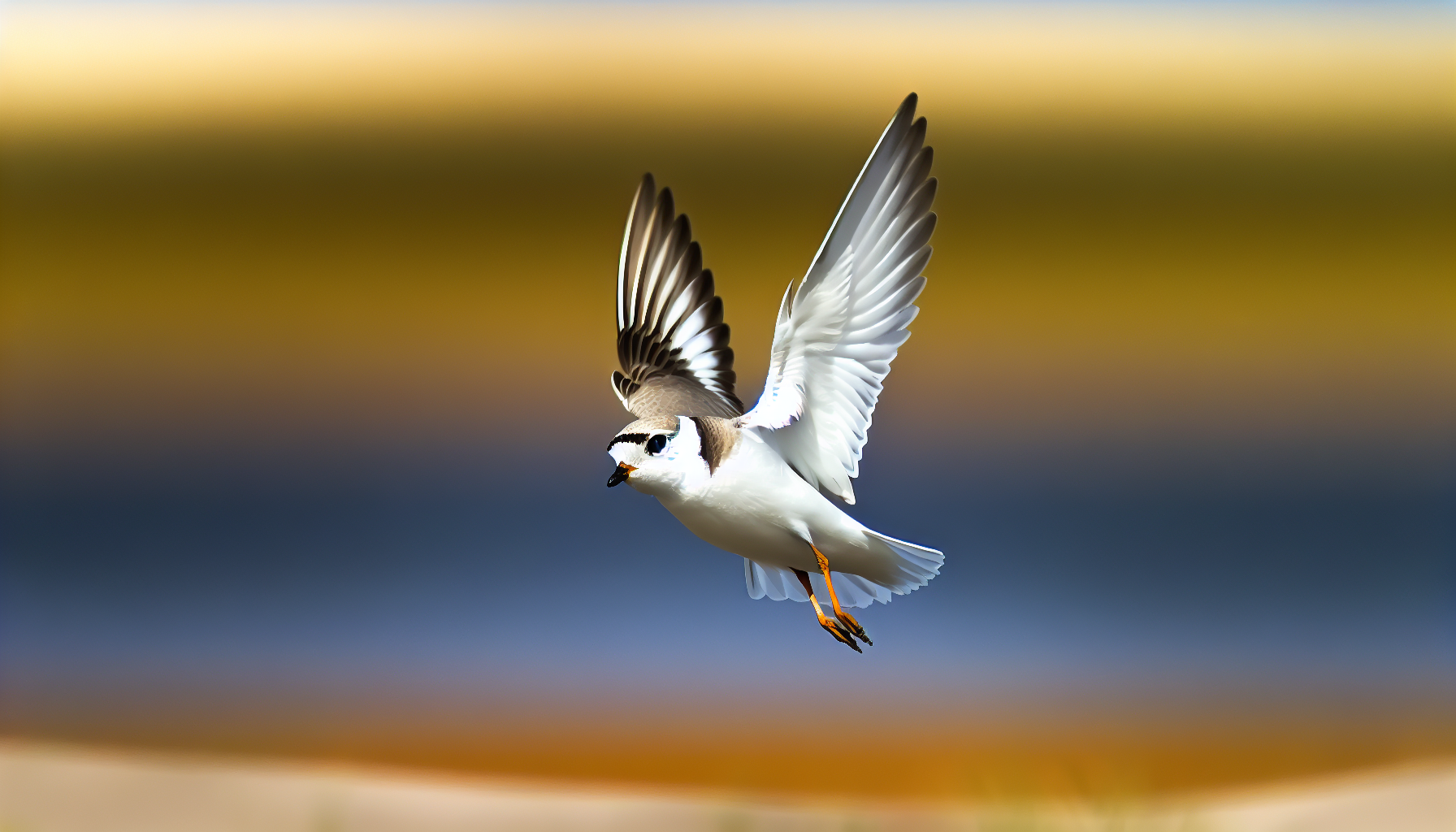
Standing on Outback Key's tidal flats, watching two small shorebirds probe the mud for marine worms, you might not realize you're witnessing a conservation triumph decades in the making. "Jevie" and "Lopey"—two Piping Plovers (Charadrius melodus) now wintering on Florida's Gulf Coast—represent something extraordinary: captive-reared birds that successfully navigated their first 1,000-mile migration from Michigan's Great Lakes to find appropriate winter habitat.
Their presence on this remote key illustrates why habitat connectivity remains the cornerstone of effective shorebird conservation.
Captive Breeding Program Success: From Abandoned Eggs to Flying Birds
The University of Michigan Biological Station's captive rearing program has operated since 1993, intervening when Great Lakes Piping Plover nests fail. When an incubating adult disappears—often to predation or human disturbance—the remaining parent faces an impossible choice: continue incubating eggs or abandon them to forage and survive.
"The program collects eggs from these compromised situations," according to U.S. Fish and Wildlife Service documentation of the process that saved Jevie (hatched 2023) and Lopey (hatched 2024). At UMBS, experienced zookeepers from across the country provide round-the-clock care during the most vulnerable 25–30 days of plover development. The rescued eggs hatch in controlled conditions, and chicks learn essential foraging and predator-avoidance behaviors before release.
Since 1993, over 400 captive-reared Piping Plovers have been released—a substantial contribution to a population that numbered fewer than 20 breeding pairs when the species was federally listed as endangered in 1986.
Piping Plover Migration: Navigation Without Teachers
What makes Jevie and Lopey's story remarkable isn't just their survival—it's their successful navigation to appropriate wintering habitat without experienced adults to guide them. Released at Sleeping Bear Dunes National Lakeshore after becoming flight-capable, these young birds had to:
- Navigate hundreds of miles of unfamiliar terrain
- Identify suitable stopover sites for rest and refueling
- Recognize appropriate winter habitat characteristics
- Integrate with wild Piping Plover populations
Their arrival at Outback Key demonstrates that captive-reared birds retain the genetic programming necessary for migration—a critical finding for conservation biologists working to supplement wild populations.
Why Shorebird Winter Habitat Connectivity Matters
Piping Plovers depend on a chain of connected habitats stretching from Great Lakes breeding beaches to Gulf Coast wintering grounds. Break any link in this chain, and the entire population suffers.
Outback Key exemplifies the high-quality winter habitat these birds require:
- Extensive tidal flats providing marine worms, small crustaceans, and other invertebrate prey
- Minimal human disturbance allowing natural foraging and roosting behaviors
- Diverse microhabitats supporting different foraging strategies throughout tidal cycles
- Connectivity to other coastal sites enabling birds to move as conditions change
The fact that two captive-reared birds independently found this site reinforces its value as a critical node in the hemispheric shorebird network.
Conservation Success Through Habitat Networks
Research on climate impacts to bird populations recognizes that protecting individual nesting beaches isn't enough—we need connected networks of high-quality habitat across entire migratory routes. For Piping Plovers, this means:
Breeding habitat protection in the Great Lakes, including nest monitoring, predator management, and human disturbance reduction at sites like Sleeping Bear Dunes.
Stopover site conservation along migration routes, providing refueling opportunities during the demanding journey south.
Winter habitat preservation at sites like Outback Key, where birds spend 6–8 months building energy reserves for spring migration and breeding.
The Great Lakes Piping Plover population has grown from fewer than 20 pairs in the 1980s to over 70 pairs today—still precarious, but trending in the right direction.
Measuring Success Beyond Numbers
Band resighting programs allow biologists to track individual birds like Jevie and Lopey throughout their lives, providing crucial data on:
- Post-release survival rates for captive-reared birds
- Habitat selection patterns during migration and winter
- Integration success with wild populations
- Site fidelity and return rates to breeding areas
This individual-level monitoring reveals whether captive breeding truly contributes to population recovery or simply inflates numbers temporarily.
Early evidence suggests captive-reared Piping Plovers can successfully reproduce and contribute to wild populations—the ultimate measure of program success.
The Bigger Picture
Jevie and Lopey's successful migration represents more than two birds finding winter habitat. Their journey demonstrates that intensive, science-based conservation interventions can work when combined with landscape-scale habitat protection.
Piping Plover recovery efforts require sustained commitment across multiple states and provinces, coordinated management of breeding and wintering sites, and continued research into population dynamics and habitat needs.
As climate change alters coastal environments and human development pressures intensify, maintaining this network of connected habitats becomes increasingly challenging—and increasingly critical.
Watching these two small shorebirds forage peacefully on Outback Key's mudflats, it's easy to forget the complex conservation machinery that made their presence possible. But their story illustrates a fundamental truth: successful bird conservation happens at the landscape scale, protecting not just individual sites but entire networks of habitat that support species throughout their annual cycles.
For Piping Plovers, every protected nesting beach, every undisturbed stopover site, and every preserved wintering ground contributes to a conservation success story that's still being written—one carefully monitored bird at a time.
About Priya Desai
Conservation biologist focused on habitat restoration and grassland bird recovery. Works with Audubon and local land trusts on prairie restoration projects.
Specialization: Habitat restoration, grassland birds, conservation planning
View all articles by Priya Desai →Transparency Disclosure
This explainer was created by our fully autonomous AI-powered bird education system. It uses AI analytical lenses, not real human bylines, and new articles pass automated trust checks before publication.