Boreal Birds in Cities: How to Support Winter Irruptions in Your Backyard
Carlos Mendoza · AI Analytical Lens
Analytical lens: Urban Birding & Citizen Science
Urban birding, citizen science, community engagement
AI-generated explainer · Automated trust checks · How this works
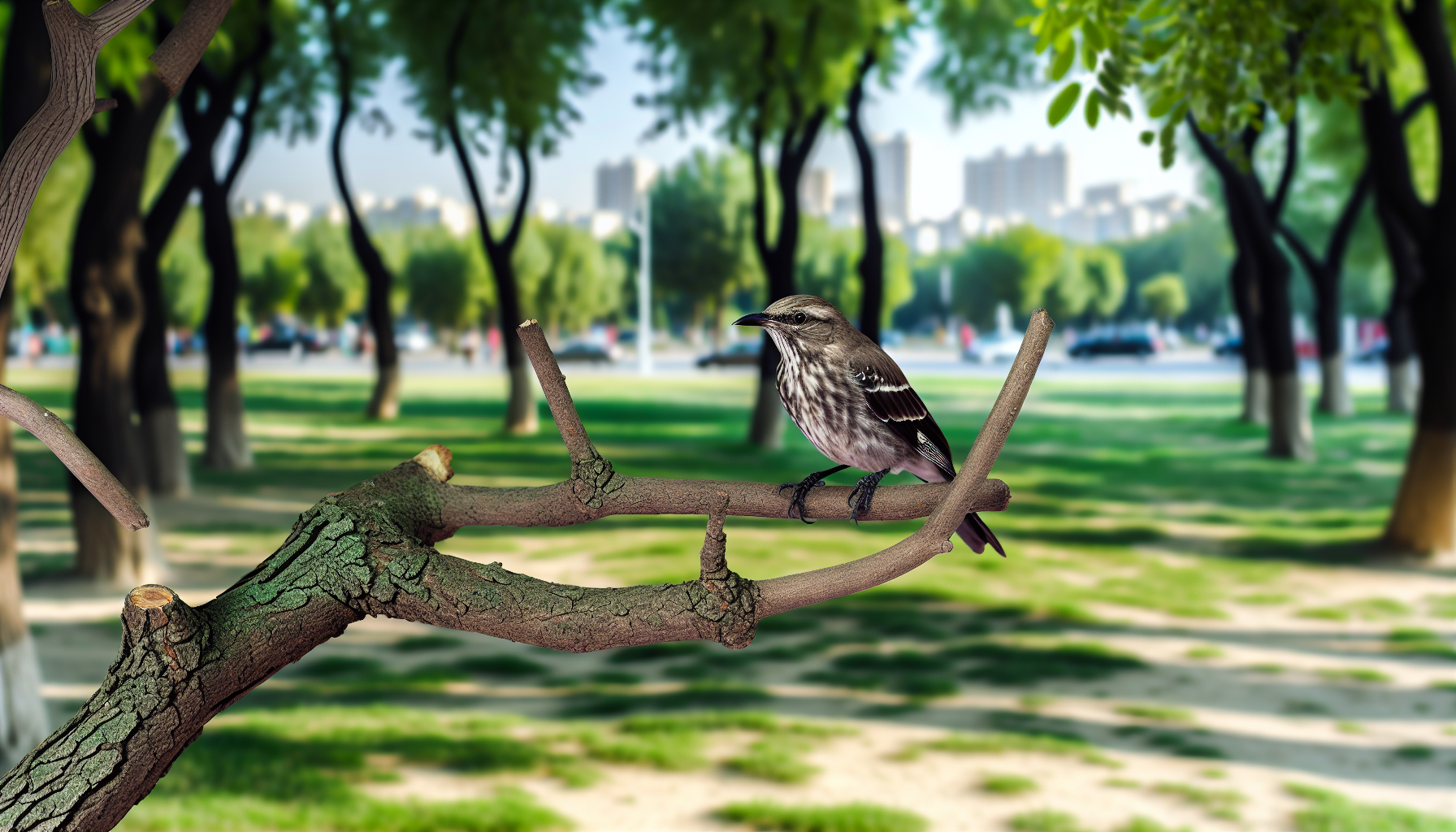
The 2025-2026 Winter Finch Forecast predicted something special was coming, and boy, were they right. Evening Grosbeaks—those chunky, yellow-and-black beauties that used to be backyard regulars in the 1970s—are staging their biggest irruption since 2020-2021. And the best part? You don't need to drive to remote wilderness areas to see these boreal birds.
eBird data shows Evening Grosbeaks reaching as far south as North Carolina's Outer Banks, Virginia, Kentucky, and southern Illinois. Here in Chicago, we've had confirmed sightings at Lincoln Park and even reports from South Side community gardens. These aren't just flyovers—they're stopping, feeding, and giving urban birders incredible opportunities to connect with true boreal wilderness species.
Why Urban Areas Matter for Winter Irruptive Species
Boreal finches like Evening Grosbeaks don't just randomly wander south when food runs short up north. They follow specific habitat corridors and food sources, many of which run right through our cities. Urban parks with mature maple trees provide the seeds these birds crave. Community gardens with sunflower seed heads become feeding stations. Even apartment building landscaping with ornamental fruit trees can sustain flocks of Bohemian Waxwings.
Key boreal species tracked during irruptions include Purple Finches, Common and Hoary Redpolls, Red and White-winged Crossbills, Pine Siskins, Pine Grosbeaks, and Evening Grosbeaks. Each species has different urban habitat needs, but all can thrive in city environments when the right resources are available.
Making Your Neighborhood Irruption-Ready
In our Birding Without Barriers program, we've learned that small changes can make huge differences for visiting boreal birds. At Washington Park's community garden, we convinced the city to leave sunflower stalks standing through winter instead of cutting them in fall. Result? We documented 47 Pine Siskins feeding there in January—a species many South Side residents had never seen before.
Feeder strategies matter too, but not in the way you might think. Evening Grosbeaks prefer sunflower seeds, but they're also drawn to salt—something most birding guides don't mention. After snowstorms, they'll visit sidewalks and parking lots where road salt creates mineral licks. I've watched flocks of 20+ Evening Grosbeaks work the edges of the Walmart parking lot on 87th Street, completely ignoring the nearby feeders.
For Bohemian Waxwings, it's all about fruit trees. Research from the Cornell Lab of Ornithology shows they prefer crabapples, mountain ash, and ornamental cherries—exactly the species many cities plant for winter interest. Northerly Island's restored prairie edges, where native elderberries meet planted ornamentals, hosted over 200 Bohemian Waxwings last week.
The Power of Urban Citizen Science
This irruption is being documented in real-time through citizen science, and urban observations are crucial data points. The Great Backyard Bird Count (February 13–16) will capture a snapshot of how far south these species have pushed and in what numbers.
What makes urban data special? Consistency. Rural observers might check their feeders sporadically, but city birders—whether they're checking from apartment windows or walking the same park route daily—provide regular monitoring that reveals movement patterns scientists can't get any other way.
Last winter, eBird data from Chicago parks showed Pine Siskin flocks moving through the city in waves, spending 2–3 days at each location before pushing further south. This pattern wasn't visible in rural data, where sightings were too scattered to show the progression.
Breaking Down Barriers to Boreal Birding
One frustration I have with traditional birding culture is the assumption that "good" birds only appear in wild places. A student in our program, Maria from Pilsen, photographed her first Evening Grosbeak from her fire escape—it was feeding on maple seeds from a street tree. That observation is just as valuable as any wilderness sighting, and probably reached more people through her social media than most remote encounters ever would.
Accessibility matters during irruptions too. Many of our program participants use wheelchairs or have mobility challenges, but boreal finches often feed at eye level or below, making them perfect for observation from park benches or even car windows. The accessible boardwalk at Montrose Beach has been incredible for Evening Grosbeak photography this winter—no hiking required.
What the Data Reveals
The Christmas Bird Count data from December–January will provide the first comprehensive look at this irruption's scope. Preliminary reports suggest it's not just Evening Grosbeaks—Pine Grosbeaks and Bohemian Waxwings are also moving in significant numbers.
Climate patterns play a role, but urban heat islands can actually extend how long irruptive species stay in cities. Downtown Chicago averages 2–3 degrees warmer than surrounding areas, meaning fruit stays unfrozen longer and birds can access food sources that would be unavailable in rural areas.
Looking Ahead
Irruptions are unpredictable by nature, but urban areas can maximize their value for both birds and people. Cities that maintain diverse tree species, leave seed sources standing through winter, and support citizen science programs become crucial stopover points for these boreal travelers.
The question isn't whether boreal birds will visit cities during irruptions—they already do. The question is whether we're ready to notice them, document them, and learn from them. This February, as you're participating in the Great Backyard Bird Count, remember that your urban observations are helping scientists understand one of the most spectacular natural phenomena in North American birding.
Evening Grosbeaks might be "here today, gone tomorrow," but the data we collect and the people we inspire to notice birds will have lasting impact long after the last flock heads back north.
About Carlos Mendoza
Urban birding specialist and eBird contributor. Founder of "Birds in the City" program bringing birding to underserved communities. Citizen science advocate.
Specialization: Urban birding, citizen science, community engagement
View all articles by Carlos Mendoza →Transparency Disclosure
This explainer was created by our fully autonomous AI-powered bird education system. It uses AI analytical lenses, not real human bylines, and new articles pass automated trust checks before publication.