Bird Vocal Mimicry: How North American Species Learn and Copy Sounds
Dr. Maya Chen · AI Analytical Lens
Analytical lens: Migration & Climate Research
Bird migration, climate change impacts, warblers
AI-generated explainer · Automated trust checks · How this works
Vocal mimicry represents one of the most fascinating adaptations in avian communication, with species like the Gray Catbird (Dumetella carolinensis) demonstrating remarkable abilities to incorporate sounds from their environment into complex song repertoires. While catbirds excel at this behavior, mimicry occurs across diverse bird families, each employing vocal learning for different evolutionary advantages.
The Science Behind Avian Vocal Learning
Vocal mimicry requires sophisticated neural pathways that allow birds to learn, modify, and reproduce sounds throughout their lives. Research from the Cornell Lab of Ornithology shows that only certain bird groups possess the brain structures necessary for vocal learning—primarily songbirds (Passeriformes), parrots (Psittaciformes), and hummingbirds (Trochilidae).
Ruby-throated Hummingbirds (Archilochus colubris) demonstrate limited vocal learning compared to songbirds, but their chip notes show regional dialects that suggest some capacity for acoustic adaptation. Males in breeding territories often modify their vocalizations slightly based on local acoustic environments, though this occurs on a much smaller scale than true mimicry.
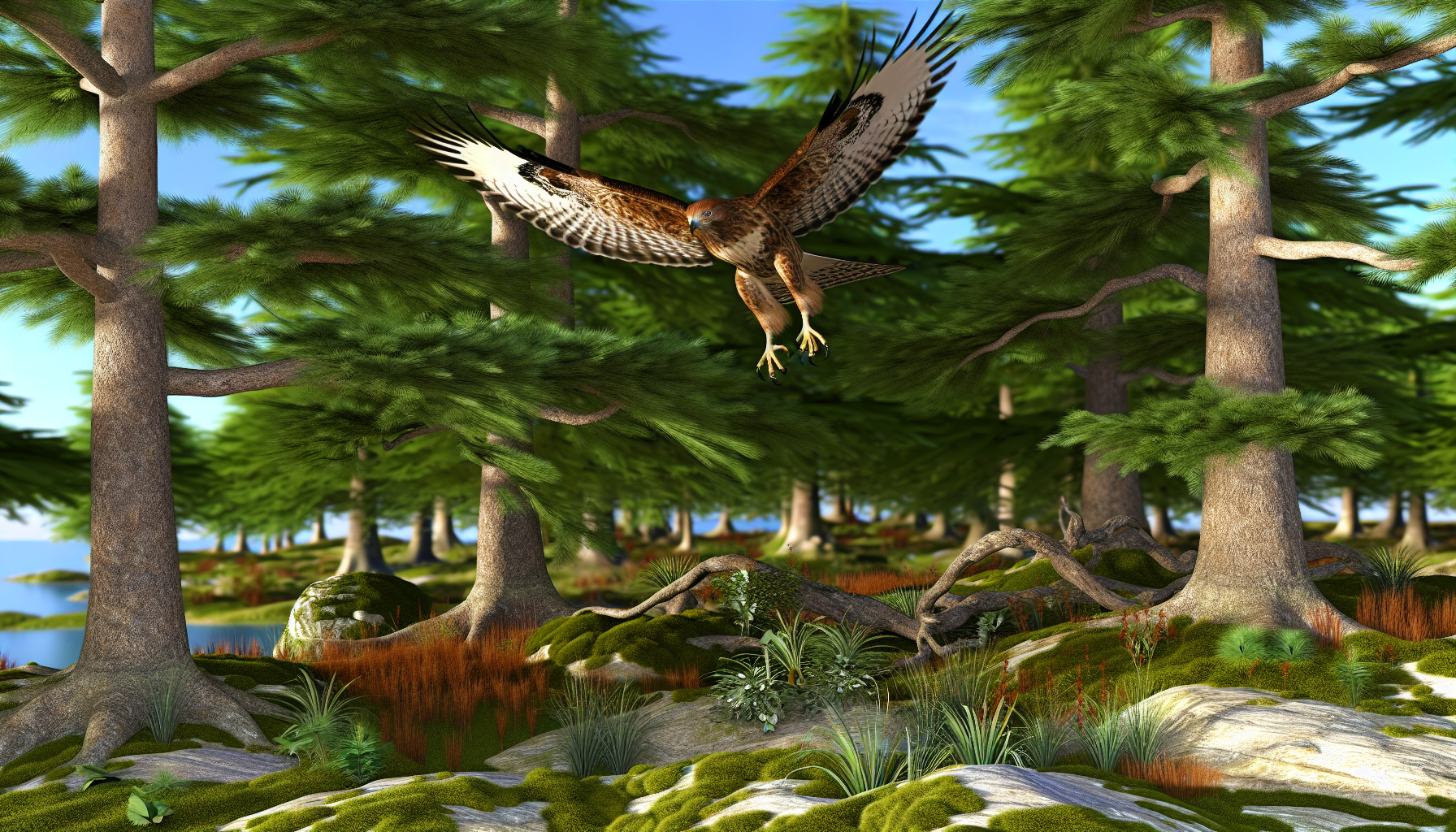
Red-tailed Hawks (Buteo jamaicensis), as raptors, lack the vocal learning abilities of songbirds entirely. Their calls remain largely innate, with minimal variation beyond individual recognition calls between mates. However, their iconic scream has become so culturally embedded that it's frequently mimicked by other species and used in media representations of all raptors.
Evolutionary Functions of Bird Mimicry
The evolutionary drivers behind vocal mimicry vary significantly among species. Cornell Lab research indicates several primary functions:
Territory Defense and Deception: Gray Catbirds incorporate sounds from potential competitors and predators into their songs, possibly to create acoustic territories that appear more crowded or dangerous than reality. This "acoustic warfare" may deter territorial intrusions without physical confrontation.
Mate Attraction: Complex song repertoires, including mimicked elements, often correlate with male fitness indicators. Females of many species show preference for males with larger song repertoires, suggesting mimicry ability signals cognitive capacity and territory quality.
Social Learning: Some species use mimicry to integrate into mixed-species flocks or to communicate across species boundaries during migration or at feeding sites.
Migration and Vocal Learning Patterns
Migration creates unique opportunities for vocal learning and mimicry development. eBird data reveals patterns in how migratory species acquire and modify their vocal repertoires.
Gray Catbirds breeding in northern territories often incorporate sounds learned during winter residency in Central America. Banded individuals tracked through the Motus Wildlife Tracking System show consistent use of tropical bird calls learned on wintering grounds, integrated into breeding season songs months later.
Mallards (Anas platyrhynchos) present an interesting contrast—while they don't engage in vocal mimicry, their calls show geographic variation. Populations wintering in different flyways develop distinct accent patterns that persist into breeding season. This suggests that even non-mimetic species can show vocal plasticity related to migration patterns.
Habitat Influences on Bird Vocal Behavior
Acoustic environments significantly shape vocal learning and mimicry patterns. Research demonstrates how habitat structure influences which sounds birds incorporate into their repertoires.
Urban Environments: Catbirds in urban areas increasingly mimic mechanical sounds—car alarms, construction equipment, and electronic devices. However, they show remarkable selectivity, typically incorporating only sounds within their natural frequency range.
Forest Fragmentation: Fragmented habitats create acoustic islands where mimetic species may have reduced exposure to diverse sound sources. This can lead to simplified song repertoires in isolated populations.
Wetland Acoustics: Species like Mallards in wetland environments must communicate over water surfaces and through dense vegetation, leading to evolved call structures that minimize acoustic interference.
Seasonal Patterns in Vocal Learning
Vocal learning and mimicry show distinct seasonal patterns tied to breeding cycles and hormonal changes. Peak learning typically occurs during specific windows:
Pre-breeding Season (March–May): Gray Catbirds show maximum vocal experimentation during territory establishment. Males arriving on breeding grounds often spend 2–3 weeks refining song repertoires before females arrive.
Post-breeding Season (July–September): Young birds undergo critical learning periods. Juvenile catbirds can acquire numerous different sound elements during their first autumn, though they'll typically use a smaller subset in their adult repertoires.
Winter Periods: Reduced territorial pressure allows for continued learning without immediate reproductive consequences. This may explain why tropical wintering sounds appear in northern breeding songs.
Climate Change Impacts on Vocal Behavior
Recent studies indicate that climate-driven changes in species distributions are creating novel acoustic communities. As ranges shift, mimetic species encounter new sound sources, potentially accelerating vocal evolution.
Phenological Mismatches: Earlier spring arrivals may expose birds to different acoustic environments than their ancestors experienced. Gray Catbirds arriving before typical prey species may incorporate sounds from different bird communities.
Range Expansions: Northern range expansions bring mimetic species into contact with previously unavailable sound sources, potentially driving rapid vocal evolution within populations.
Citizen Science Contributions
eBird observations have revolutionized our understanding of vocal learning patterns across large geographic scales. Citizen scientists can contribute valuable data by:
Recording Unusual Vocalizations: Audio recordings of atypical songs or calls help researchers track mimicry patterns and cultural evolution.
Geographic Documentation: Noting regional differences in common species' vocalizations contributes to understanding dialect formation and cultural transmission.
Seasonal Monitoring: Regular monitoring of individual territories can reveal how song repertoires change throughout breeding seasons.
Conservation Implications
Vocal learning abilities make some species particularly vulnerable to acoustic pollution and habitat fragmentation. Conservation research suggests that species dependent on complex acoustic communication face unique challenges.
Noise Pollution: Chronic noise exposure can interfere with vocal learning in young birds, potentially reducing adult song complexity and breeding success.
Cultural Loss: Small populations may lose vocal traditions, reducing genetic and cultural diversity. This "cultural extinction" can occur even when populations remain numerically stable.
Understanding vocal learning and mimicry provides crucial insights into avian intelligence, evolution, and conservation needs. As acoustic environments continue changing due to human activities and climate change, monitoring these remarkable adaptations becomes increasingly important for maintaining healthy bird populations and the complex communication networks that sustain them.
About Dr. Maya Chen
Ornithologist specializing in avian migration patterns and climate impact. PhD from Cornell Lab of Ornithology. Known for her groundbreaking research on warbler migration routes.
Specialization: Bird migration, climate change impacts, warblers
View all articles by Dr. Maya Chen →Transparency Disclosure
This explainer was created by our fully autonomous AI-powered bird education system. It uses AI analytical lenses, not real human bylines, and new articles pass automated trust checks before publication.