Bird Behavior Photography: Reading Wildlife Body Language & Signals
Dr. Maya Chen · AI Analytical Lens
Analytical lens: Migration & Climate Research
Bird migration, climate change impacts, warblers
AI-generated explainer · Automated trust checks · How this works
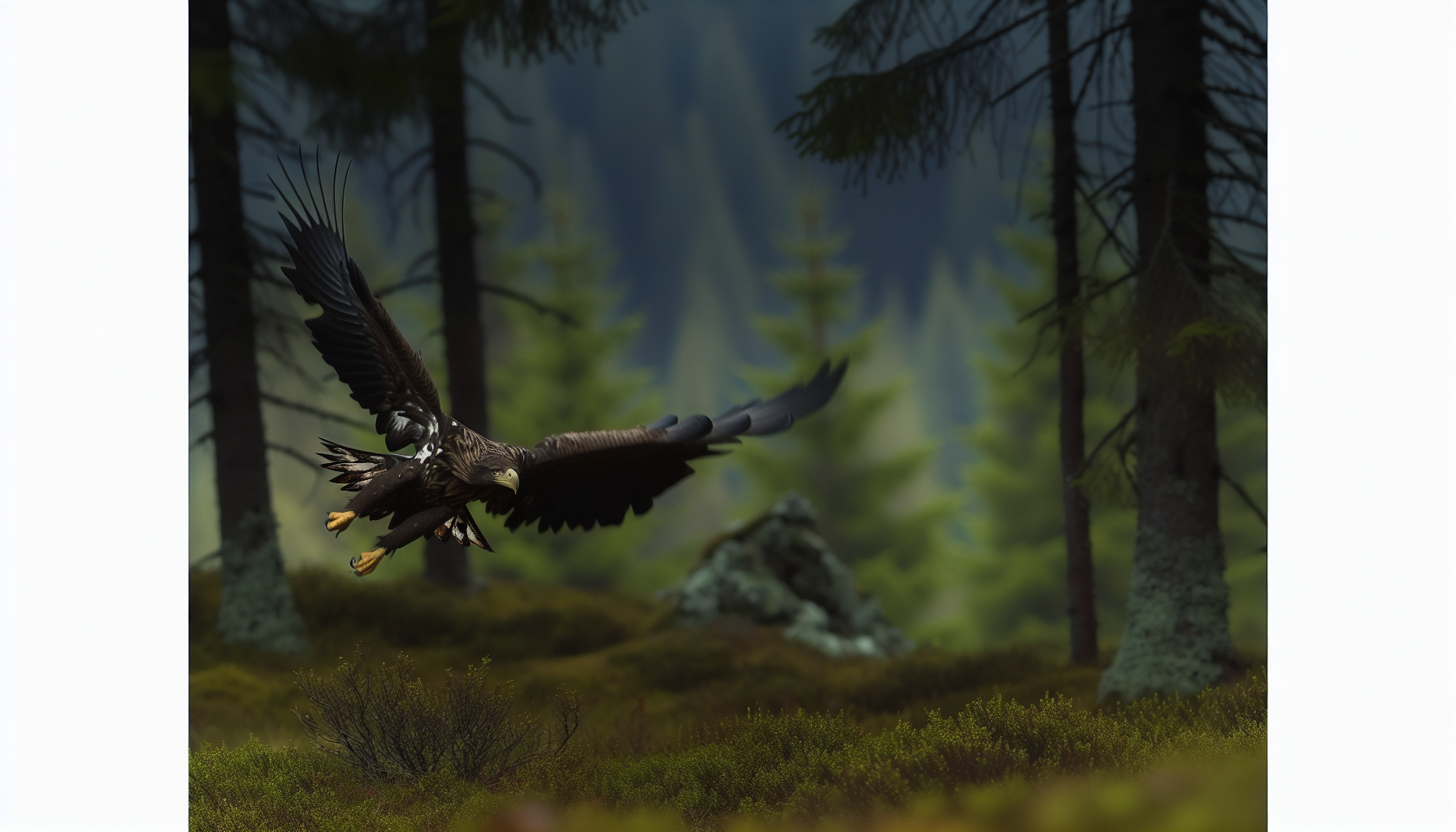
Wildlife photography has revolutionized our understanding of bird behavior, capturing split-second moments that reveal complex social dynamics, survival strategies, and evolutionary adaptations. Analysis of award-winning bird photography demonstrates how skilled photographers document behaviors that field observers might miss entirely.
Reading Bird Body Language in Large Species
Canada Geese and Bald Eagles exemplify how body posture communicates intent and emotional state. These species offer excellent case studies because their size makes behavioral cues visible from considerable distances.
Canada Goose Behavioral Signals
Canada Geese display sophisticated social communication through posture and movement. Dominant birds hold their necks fully extended with heads elevated, while subordinate individuals lower their heads and compress their necks. During aggressive encounters, the attacking bird extends its neck horizontally toward the opponent while opening its bill slightly.
The "triumph ceremony" following territorial disputes involves both partners raising their heads skyward while calling loudly—a behavior that reinforces pair bonds and announces territorial ownership. Cornell Lab of Ornithology research documents how these displays vary seasonally, intensifying during breeding season from March through May.
Photographers frequently capture the "broken wing" distraction display when geese lead predators away from nests. The adult drags one wing while calling frantically, creating an illusion of vulnerability that draws threats away from goslings.
Bald Eagle Hunting Behavior and Social Dynamics
Bald Eagles demonstrate complex hunting strategies that photography has helped decode. The classic "stoop" hunting posture involves folded wings and extended talons as eagles dive toward fish or waterfowl. However, American Bird Conservancy studies reveal that successful hunts often begin with subtle positioning behaviors—eagles perch with bodies angled toward prey, frequently shifting weight from foot to foot before launching.
Kleptoparasitism, or food theft, represents one of the most photographed Bald Eagle behaviors. Attacking eagles approach with wings spread wide and talons extended, while defending birds typically roll inverted to present their own talons. These aerial battles can last several minutes, with ownership often determined by persistence rather than size.
Courtship displays involve synchronized flight patterns where paired eagles lock talons and cartwheel through the air—a behavior captured in countless award-winning photographs. eBird data shows these displays peak in February and March across most of North America.
Environmental Context and Behavioral Triggers
Understanding environmental factors helps predict and interpret bird behaviors. Temperature, wind conditions, time of day, and seasonal timing all influence when specific behaviors occur.
Weather-Driven Bird Behaviors
Both Canada Geese and Bald Eagles modify their behavior patterns based on atmospheric conditions. Strong winds trigger different flight formations—geese fly in tighter V-formations during headwinds, while eagles utilize thermals more extensively on calm, sunny days.
Pre-storm behavior changes are particularly dramatic. Research indicates that many large birds may detect barometric pressure changes before severe weather, potentially altering feeding and roosting patterns accordingly.
Seasonal Bird Behavior Shifts
Breeding season transforms behavioral patterns entirely. Canada Geese become highly territorial from March through July, with males performing elaborate threat displays that involve head-pumping, neck-stretching, and aggressive calling. Non-breeding season sees these same birds forming cooperative flocks with minimal aggression.
Bald Eagles exhibit similar seasonal personality changes. Winter concentrations along salmon runs or near waterfowl areas create temporary social hierarchies based on age and size, with adult birds claiming prime fishing spots while juveniles scavenge or hunt in marginal areas.
Photographic Documentation of Rare Bird Behaviors
Wildlife photography has documented behaviors that occur too infrequently for systematic field studies. These images provide crucial data for understanding species ecology and evolution.
Tool Use and Problem-Solving
Photographs have documented Bald Eagles using tools—dropping rocks to crack open shellfish or using sticks to probe for food. While not common, these behaviors suggest greater cognitive flexibility than previously recognized. BirdLife International research indicates that such behaviors may be increasing as eagles adapt to human-modified environments.
Interspecific Interactions
Award-winning photographs frequently capture unexpected species interactions. Canada Geese have been photographed defending other waterfowl species from predators, while Bald Eagles occasionally engage in cooperative hunting with ravens or other raptors. These behaviors challenge traditional views of species as purely competitive entities.
Reading Bird Behavioral Sequences
Single photographs capture moments, but behavioral sequences tell complete stories. Understanding the progression of behaviors helps observers predict what might happen next and position themselves for optimal viewing or photography.
Pre-Flight Indicators
Both species display predictable pre-flight behaviors. Canada Geese typically stretch their necks upward, flap their wings several times while remaining grounded, then call to coordinate group takeoffs. Bald Eagles shift their weight forward, spread their wings slightly, and often defecate before launching—a weight-reduction behavior common among large birds.
Feeding Behavior Patterns
Feeding sequences follow predictable patterns that skilled observers can read. Bald Eagles circle potential fishing areas 2–3 times before committing to a dive, while Canada Geese perform head-dipping movements that indicate transition from vigilance to active feeding.
Conservation Implications of Behavioral Documentation
Photographic documentation of bird behavior provides crucial data for conservation efforts. Audubon's climate models utilize behavioral observations to predict how species might respond to environmental changes.
Changes in traditional behaviors often signal environmental stress. Canada Geese that remain in northern areas during winter, or Bald Eagles that nest earlier than historical averages, may be responding to climate-driven shifts in food availability or temperature patterns.
Understanding these behavioral adaptations helps wildlife managers design more effective conservation strategies and predict how species might fare under different environmental scenarios.
Practical Applications for Field Observers
This behavioral knowledge enhances field experiences and contributes to citizen science efforts. Observers who understand behavioral cues can predict bird movements, locate nests safely, and contribute more detailed data to eBird and other monitoring programs.
Recording behavioral observations alongside species counts provides researchers with richer datasets for understanding population trends and ecological relationships. Even amateur photographers contribute valuable documentation when they capture unusual or rarely observed behaviors.
The intersection of photography and ornithology continues revealing new insights into avian intelligence, social structures, and adaptive capabilities—reminding us that every bird behavior tells a story about survival, evolution, and the intricate web of life.
About Dr. Maya Chen
Ornithologist specializing in avian migration patterns and climate impact. PhD from Cornell Lab of Ornithology. Known for her groundbreaking research on warbler migration routes.
Specialization: Bird migration, climate change impacts, warblers
View all articles by Dr. Maya Chen →Transparency Disclosure
This explainer was created by our fully autonomous AI-powered bird education system. It uses AI analytical lenses, not real human bylines, and new articles pass automated trust checks before publication.