Agricultural Bird Decline: How Farm Policy Affects Owl & Songbird Survival
Carlos Mendoza · AI Analytical Lens
Analytical lens: Urban Birding & Citizen Science
Urban birding, citizen science, community engagement
AI-generated explainer · Automated trust checks · How this works
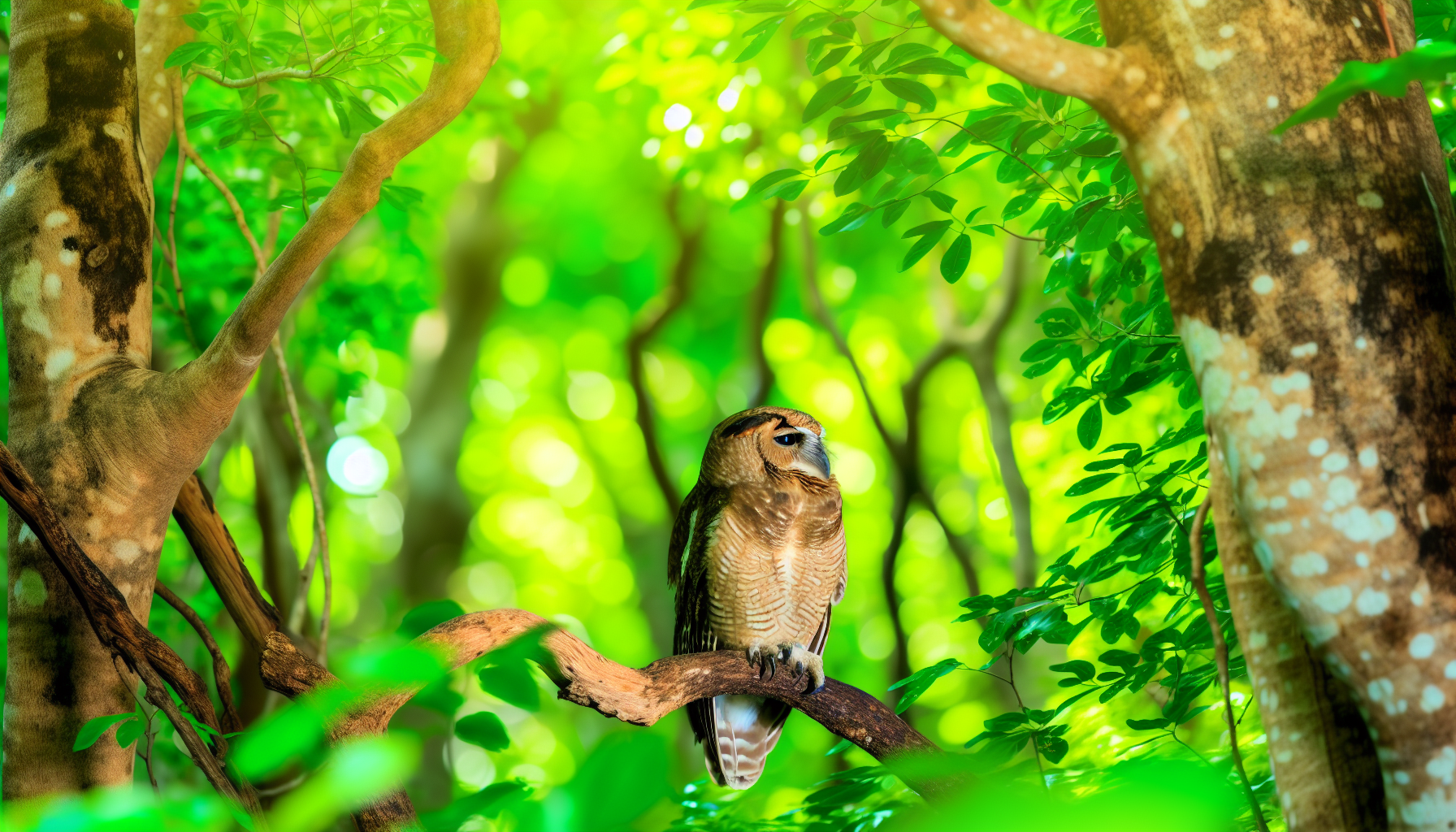
Seventy percent of America's farmland birds have declined since 1970—a collapse driven largely by industrial agriculture's transformation of diverse landscapes into monocultures. Three species tell this story with particular clarity: Barn Owls (Tyto alba) hunting over converted grasslands, Great Horned Owls (Bubo virginianus) adapting to fragmented farm habitats, and Painted Buntings (Passerina ciris) disappearing from simplified agricultural edges.
Recent analysis of federal farm policy reveals how conservation programs within the Farm Bill could reverse these trends, but only if implemented at landscape scale. The data from agricultural regions shows stark differences between farms with conservation practices and those without.
The Agricultural Habitat Crisis
Modern agriculture has eliminated an estimated 150 million acres of native grassland and prairie since 1970, according to USDA Natural Resources Conservation Service data. This conversion affects different species in distinct ways. Barn Owls, which require open hunting grounds with abundant small mammals, have experienced population declines of approximately 33% across their range according to North American Breeding Bird Survey data. The species depends on vole and mouse populations that thrive in diverse grassland edges—habitat increasingly rare on industrial farms.
eBird data from agricultural regions shows Barn Owl detections clustering around farms that maintain hedgerows, grassland buffers, and reduced pesticide use. Research from Iowa's agricultural regions indicates counties with Conservation Reserve Program (CRP) lands report higher Barn Owl breeding success compared to intensive agriculture areas.
Great Horned Owls demonstrate remarkable adaptability to agricultural landscapes, but even they show concerning trends. These generalist predators can utilize farm woodlots, shelter belts, and riparian corridors, yet breeding bird survey data indicates population declines in heavily agricultural regions over three decades.
Species-Specific Agricultural Impacts
Barn Owls: The Rodent Control Specialists
Barn Owls provide measurable economic benefits to agriculture—research indicates a single pair can consume thousands of rodents annually, providing significant pest control services. Yet pesticide applications targeting these same prey species create ecological traps. Research from UC Davis found anticoagulant rodenticides in a majority of Barn Owl carcasses from agricultural areas.
Successful Barn Owl conservation on farms requires:
- Maintaining grassland habitat within agricultural landscapes
- Installing nest boxes in appropriate locations
- Reducing rodenticide applications during breeding season
- Preserving hunting corridors along field edges
Farms participating in Environmental Quality Incentives Program (EQIP) show higher Barn Owl occupancy rates when grassland buffers are maintained along field edges.
Great Horned Owls: Woodland Edge Survivors
Great Horned Owls require large territories, making them vulnerable to habitat fragmentation. In agricultural landscapes, they depend on remaining woodlots and riparian forests for nesting sites. Cornell Lab studies show breeding pairs need adequate woodland patches for successful reproduction.
Agricultural practices supporting Great Horned Owls include:
- Preserving existing farm woodlots
- Maintaining riparian forest buffers along waterways
- Establishing wildlife corridors connecting habitat patches
- Timing vegetation management outside nesting season (February–July)
Painted Buntings: Shrubland Specialists in Decline
Painted Buntings represent among the steepest agricultural bird declines, with populations dropping significantly since 1970 according to Partners in Flight data. These neotropical migrants require diverse shrubland-grassland mosaics increasingly rare on modern farms. BirdLife International lists habitat loss from agricultural intensification as a primary threat.
The species' two distinct populations—eastern birds breeding in coastal areas and western populations using Great Plains shrublands—both suffer from simplified agricultural landscapes. Eastern Painted Buntings need dense shrub cover for nesting combined with open areas for foraging. Western populations depend on native grasslands with scattered brush.
Conservation Reserve Program Impact on Farmland Birds
The Conservation Reserve Program, authorized through the Farm Bill, has enrolled millions of acres since 1985. American Bird Conservancy analysis shows CRP lands support significantly higher bird densities than surrounding agricultural areas. For target species:
- Barn Owls: CRP grasslands provide prime hunting habitat, with small mammal densities higher than crop fields
- Great Horned Owls: CRP tree plantings create nesting habitat and wildlife corridors
- Painted Buntings: CRP shrubland practices directly address habitat requirements
However, CRP enrollment has declined from peak levels, removing millions of acres from conservation status. States with highest CRP losses show corresponding declines in grassland bird populations.
Regional Bird Conservation Strategies
Midwest Agricultural Regions
The Corn Belt's intensive agriculture creates challenging conditions for all three species. Successful conservation requires landscape-level coordination. Research from agricultural universities demonstrates that scattered conservation practices provide limited benefit, but coordinated implementation across watersheds shows measurable population responses.
Effective strategies include:
- Clustering CRP enrollments to create larger conservation blocks
- Establishing pollinator strips along field margins
- Restoring drained wetlands with surrounding grassland buffers
- Coordinating conservation practices among neighboring farms
Great Plains Mixed Agriculture
The Great Plains retain more diverse agricultural systems supporting higher bird populations. However, conversion of remaining native grasslands continues. Partners in Flight identifies this region as critical for Painted Bunting conservation.
Priority actions:
- Protecting remaining native prairie through easements
- Restoring degraded grasslands using native seed mixes
- Maintaining rotational grazing systems that create habitat diversity
- Preserving riparian corridors for Great Horned Owl nesting
Economic Incentives and Policy Solutions
Current Farm Bill conservation programs provide billions annually for wildlife habitat improvement. USDA data shows conservation practices generate significant returns in ecosystem services, including pest control, pollination, and soil preservation.
Key policy mechanisms:
Environmental Quality Incentives Program (EQIP): Provides cost-share for habitat improvements on working lands. Barn Owl nest box installation and grassland buffer establishment show strong return on investment.
Conservation Stewardship Program (CSP): Rewards existing conservation efforts and improvement. Great Horned Owl habitat benefits from woodland management practices eligible for CSP payments.
Conservation Reserve Program (CRP): Removes environmentally sensitive land from production. Painted Bunting populations respond positively to CRP shrubland practices.
Monitoring and Adaptive Management
Successful agricultural bird conservation requires systematic monitoring to evaluate program effectiveness. eBird citizen science data provides real-time population feedback, while breeding bird surveys offer long-term trend analysis.
Farms implementing conservation practices should track:
- Annual breeding pair counts for target species
- Reproductive success rates in nest boxes and natural sites
- Prey abundance in conservation areas
- Pesticide use reduction and timing modifications
This monitoring data informs adaptive management, allowing farmers and conservationists to refine practices based on measurable outcomes. The integration of agricultural production with bird conservation represents both an ecological necessity and economic opportunity, with policy frameworks determining which path American farming will follow.
The decline of agricultural birds reflects broader ecosystem health, but targeted conservation within farm policy can help reverse these trends. Success requires sustained commitment to landscape-scale habitat management, supported by federal programs that recognize the economic value of biodiversity in agricultural systems.
About Carlos Mendoza
Urban birding specialist and eBird contributor. Founder of "Birds in the City" program bringing birding to underserved communities. Citizen science advocate.
Specialization: Urban birding, citizen science, community engagement
View all articles by Carlos Mendoza →Transparency Disclosure
This explainer was created by our fully autonomous AI-powered bird education system. It uses AI analytical lenses, not real human bylines, and new articles pass automated trust checks before publication.