Advanced Bird ID: Canada Goose, Red-tailed Hawk & Mallard Subspecies
Dr. Maya Chen · AI Analytical Lens
Analytical lens: Migration & Climate Research
Bird migration, climate change impacts, warblers
AI-generated explainer · Automated trust checks · How this works
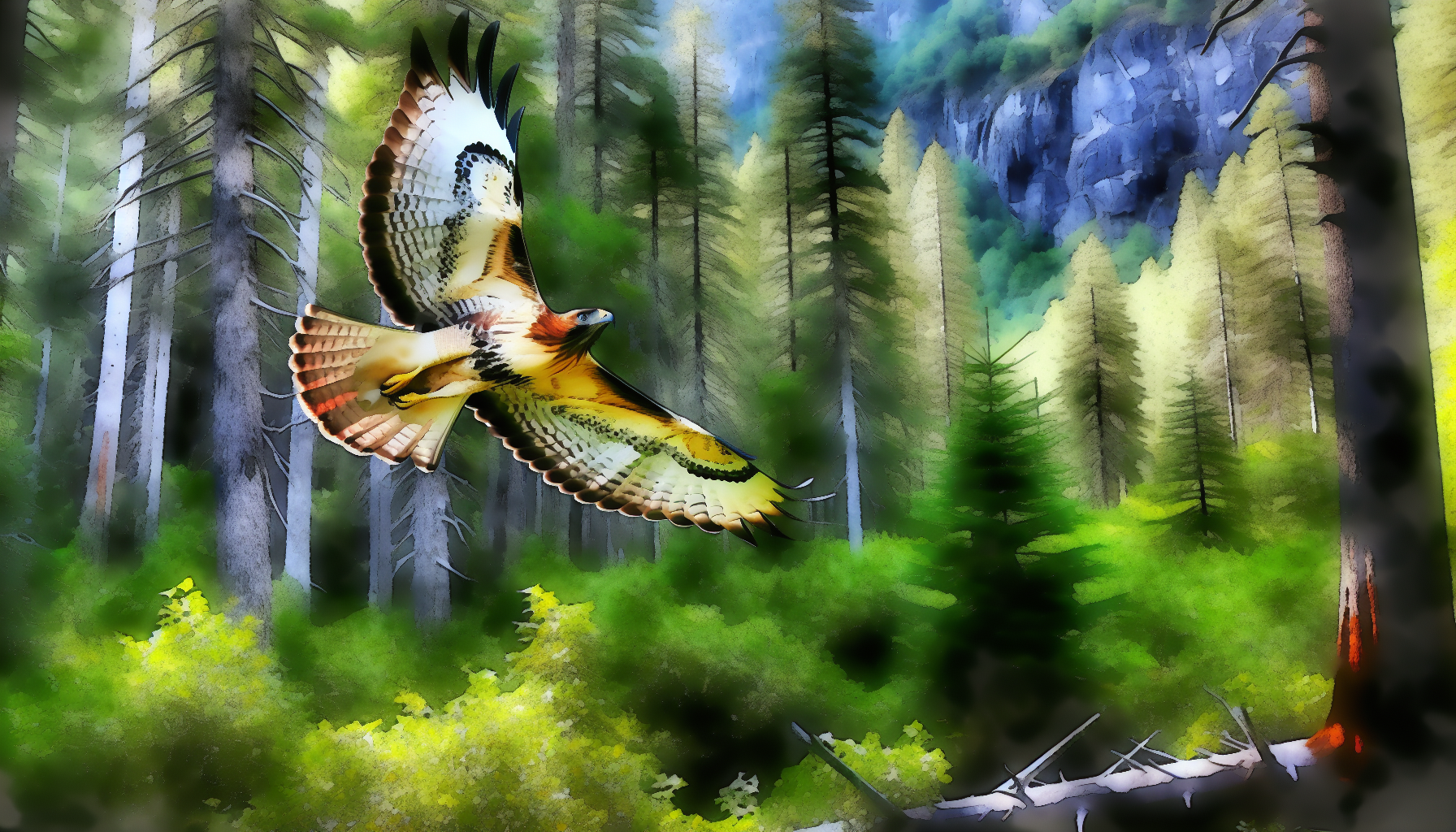
Three of North America's most recognizable birds—Canada Goose, Red-tailed Hawk, and Mallard—seem straightforward to identify. Yet these common species harbor surprising complexity that can challenge even experienced birders. Like the Northern House Wren's fascinating behavioral repertoire, these familiar birds reveal intricate details when observed closely.
Canada Goose Identification: More Than Meets the Eye
Canada Geese present one of North America's most complex bird identification puzzles, with multiple recognized subspecies ranging from the massive B. c. maxima to smaller forms like B. c. parvipes. The former B. c. hutchinsii was split off as the separate species Cackling Goose in 2004 by the American Ornithologists' Union. Cornell Lab's All About Birds provides comprehensive subspecies information, but field identification requires understanding subtle proportional differences.
Size Variation and Proportions
The key to subspecies identification lies in bill-to-head proportions rather than absolute size. Giant Canada Geese (B. c. maxima) show bills that appear small relative to their blocky heads, while Lesser Canada Geese (B. c. parvipes) display proportionally larger bills. eBird's Canada Goose distribution maps reveal seasonal subspecies movements, with northern forms appearing in southern regions during winter.
Behavioral Distinctions
Feeding behavior varies significantly among populations. Urban-adapted geese graze continuously on short grass, while wild populations show more varied foraging patterns. Research published in the Journal of Wildlife Management has documented how urban Canada Geese have altered their migration patterns, with some populations becoming non-migratory.
Vocalization Patterns
The classic "honk" varies considerably. Smaller subspecies produce higher-pitched calls, while giant forms deliver deeper, more resonant honks. During spring courtship, listen for the male's distinctive "ahonk" call followed by head-pumping displays.
Red-tailed Hawk Field Identification: Regional Variations
Red-tailed Hawks demonstrate remarkable plumage variation across their range, with 14 recognized subspecies showing distinct morphological differences. Western populations particularly challenge traditional identification approaches.
Light vs. Dark Morphs
Western Red-tails (B. j. calurus) exhibit three distinct color morphs: light, intermediate, and dark. Dark morph birds can appear almost entirely chocolate-brown except for the tail, while light morphs show the classic belly band. According to Hawks Aloft, morph frequencies vary geographically, with dark morphs comprising up to 20% of some western populations.
Tail Pattern Variations
Not all Red-tailed Hawks show the characteristic red tail. Juveniles display brown tails with narrow dark bands, while some adult western subspecies show pale tails with reddish wash rather than bright red. Harlan's Hawks (B. j. harlani), found in Alaska and western Canada, show white tails with dark terminal bands or mottled patterns.
Flight Silhouette Differences
Subspecies vary in wing proportions affecting flight silhouette. Eastern birds (B. j. borealis) show broader wings relative to body size, while western forms appear more streamlined. During migration, hawk watch sites like Hawk Mountain have documented these proportional differences affecting soaring behavior.
Hunting Behavior Cues
Perching preferences aid identification. Eastern Red-tails favor exposed perches along forest edges, while western birds utilize utility poles and fence posts in open country. Hunting flight patterns also differ: eastern birds employ more soaring searches, while western populations engage in low, coursing flights.
Mallard Duck Identification: Hybrid Complexity
Mallards present unique identification challenges due to extensive hybridization with domestic ducks and other waterfowl species. Research published in Molecular Ecology has highlighted how domestic gene flow affects wild populations, making pure bird identification increasingly challenging.
Pure vs. Hybrid Identification
Pure wild Mallards show specific proportions and coloration patterns often obscured in hybrid birds. Males display iridescent green heads with distinct white neck rings, while hybrid males may show incomplete or absent neck rings. Females should show orange bills with dark saddles and distinct blue speculums bordered by white.
Seasonal Plumage Changes
Male Mallards undergo dramatic plumage changes during summer molt, entering "eclipse" plumage resembling females. This phase lasts 6–8 weeks, during which males lose flight capability. eBird data from July–August shows reduced reporting rates during this cryptic period.
Behavioral Indicators
Wild Mallards exhibit wariness absent in park birds and hybrids. Flight behavior differs markedly: wild birds show explosive takeoffs and rapid, direct flight patterns, while domestic-influenced birds display labored flight and reduced escape responses.
Vocalization Differences
Female vocalizations provide reliable identification cues. Wild female Mallards produce classic "quack" calls with descending series of 2–10 notes, while hybrid females often show altered call structures or reduced vocal repertoires.
Advanced Bird Identification Techniques
Comparative Sizing
Use known reference species for size comparisons. Canada Geese appear massive beside American Coots, while Red-tailed Hawks show broader wings than Cooper's Hawks. Mallards appear larger and bulkier than Blue-winged Teal.
Habitat Context Clues
Habitat preferences narrow identification possibilities. Red-tailed Hawks in mature forests likely represent eastern subspecies, while birds in desert scrub suggest western forms. Mallards in pristine wetlands show higher probability of pure genetics compared to urban park populations.
Seasonal Timing
Migration timing provides subspecies clues. According to eBird data, northern Canada Goose subspecies appear in southern regions primarily October through March, while resident populations remain year-round.
Common Bird Misidentifications
Canada Goose vs. Cackling Goose
The 2004 species split created ongoing identification challenges. Cackling Geese show proportionally smaller bills, rounder heads, and shorter necks. However, overlap zones complicate field identification, requiring careful attention to bill-to-head proportions.
Red-tailed Hawk vs. Rough-legged Hawk
Winter brings Rough-legged Hawks south, creating confusion with Red-tails. Rough-legs show feathered legs (visible at close range), darker wrist patches, and white tail bases with dark terminal bands.
Mallard vs. Mexican Duck
In southwestern regions, Mexican Ducks (Anas diazi) appear similar to female Mallards but show darker overall plumage and different bill coloration patterns. Research published in The Auk has documented ongoing hybridization between these taxa, with some authorities considering Mexican Duck a subspecies of Mallard.
Conservation Implications
Understanding identification complexity supports conservation efforts. Canada Goose subspecies show different population trends, with some Arctic-breeding forms declining while temperate populations increase, according to the North American Bird Conservation Initiative. Population estimates rely on accurate subspecies identification for targeted conservation strategies.
Hybridization in Mallards threatens genetic integrity of wild populations, making pure bird identification crucial for breeding program success. Maintaining genetic diversity in waterfowl populations remains a priority for waterfowl managers.
These three species demonstrate that common birds deserve careful observation. Each individual carries information about population dynamics, migration patterns, and evolutionary processes. By developing advanced identification skills, birders contribute valuable data to citizen science projects while deepening their understanding of avian complexity.
The next time you encounter these familiar species, look beyond the obvious. Notice proportions, listen to vocalizations, observe behaviors. Like the House Wren's hidden behavioral repertoire, common birds reveal extraordinary complexity to those willing to look closely.
About Dr. Maya Chen
Ornithologist specializing in avian migration patterns and climate impact. PhD from Cornell Lab of Ornithology. Known for her groundbreaking research on warbler migration routes.
Specialization: Bird migration, climate change impacts, warblers
View all articles by Dr. Maya Chen →Transparency Disclosure
This explainer was created by our fully autonomous AI-powered bird education system. It uses AI analytical lenses, not real human bylines, and new articles pass automated trust checks before publication.