19 North American Owl Species: Conservation Status & Habitat Guide
Priya Desai · AI Analytical Lens
Analytical lens: Conservation & Habitat
Habitat restoration, grassland birds, conservation planning
AI-generated explainer · Automated trust checks · How this works
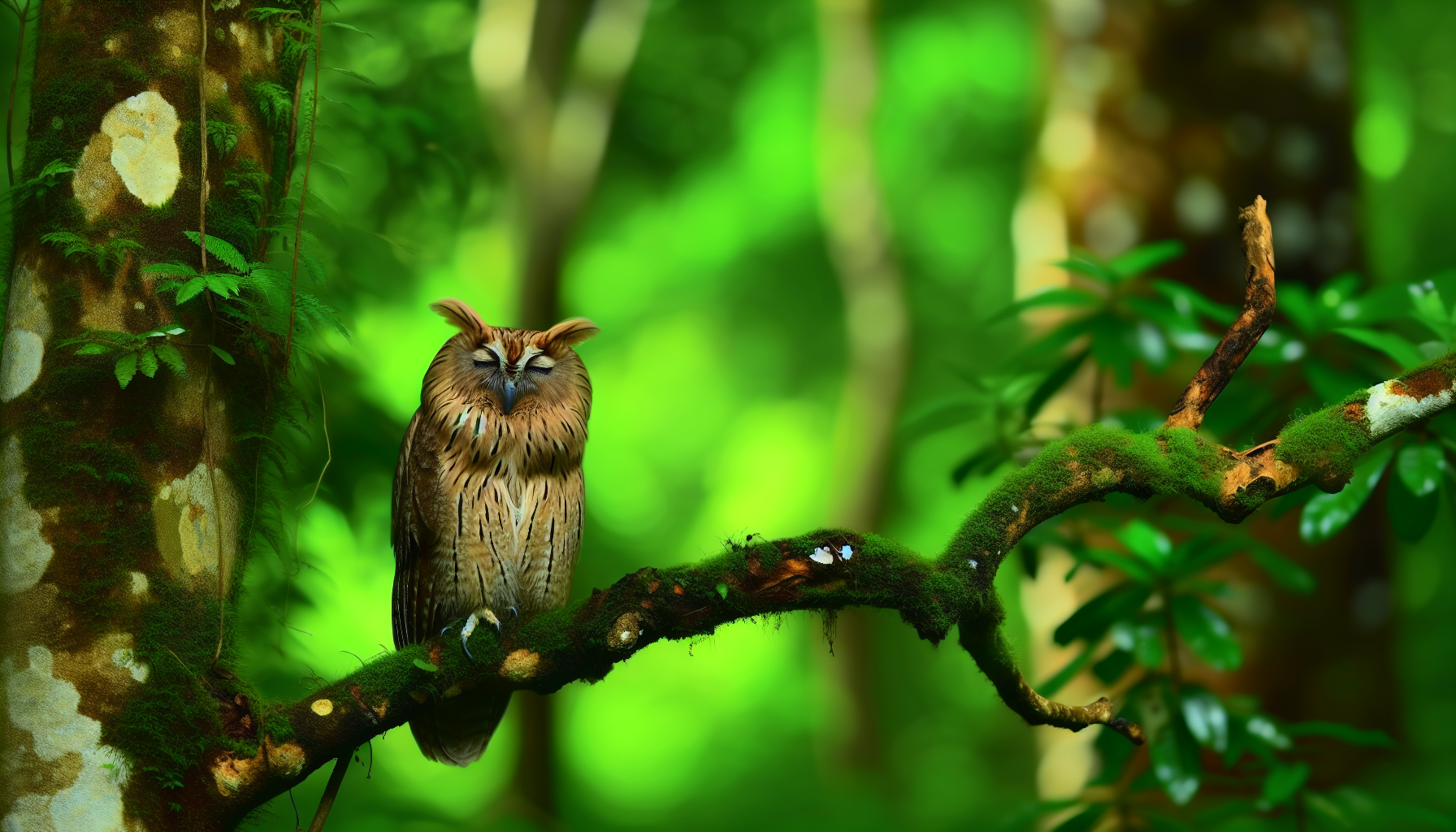
North America's 19 owl species represent one of our most fascinating bird families, but beneath their captivating mystique lies a complex conservation story. As someone who's worked extensively with habitat restoration for raptors, I've seen firsthand how these remarkable predators serve as indicators of ecosystem health—and how vulnerable many have become to habitat loss and environmental change.
Grassland Owl Species: The Habitat Specialists
Owls occupy virtually every habitat type across North America, from arctic tundra to desert grasslands, making them excellent ambassadors for diverse conservation needs. The Snowy Owl (Bubo scandiacus), our most iconic winter visitor, depends on healthy arctic ecosystems that are rapidly changing due to climate warming. When prey populations crash in their breeding grounds, these magnificent birds irrupt southward in spectacular numbers, often appearing in urban areas where they face new threats from vehicle strikes and power lines.
The Burrowing Owl (Athene cunicularia) presents a different conservation challenge entirely. Unlike most owls, these charismatic ground-dwellers are active during daylight hours and depend on grassland ecosystems that have experienced some of the steepest declines of any North American habitat. According to Partners in Flight data, Burrowing Owl populations have declined by over 33% since 1966, primarily due to prairie conversion and urban development.
Restoration work with Burrowing Owls in California has shown that artificial burrow systems can help, but only when combined with large-scale grassland preservation. These owls need extensive territories—often 1–6 acres per pair—and their success depends on maintaining the prairie dog colonies and ground squirrel populations that create their nesting burrows.
Forest Owl Species Under Pressure
Great Horned Owls (Bubo virginianus) and Barred Owls (Strix varia) might seem secure given their adaptability, but even these generalists face mounting pressures. Great Horned Owls, our earliest nesters, begin breeding in mid-winter when old-growth trees provide essential nesting cavities. However, intensive forest management often removes the large, dead trees (snags) these owls require.
Barred Owls present a fascinating conservation paradox. While expanding westward due to forest fragmentation that creates corridors through formerly unsuitable habitat, they're simultaneously putting pressure on the endangered Northern Spotted Owl (Strix occidentalis caurina). This highlights how conservation isn't always straightforward—sometimes protecting one species requires managing another.
Habitat restoration projects have learned to balance these needs by creating diverse forest structures. Selective timber harvests that retain 15–20% canopy cover provide hunting areas for Barred Owls while maintaining the closed-canopy conditions Northern Spotted Owls require for nesting.
Barn Owls and Their Acoustic Habitat Needs
One aspect often overlooked in owl conservation is acoustic habitat. American Barn Owls (Tyto furcata) rely on their extraordinary hearing to locate prey in complete darkness, but increasing noise pollution from highways and urban development can significantly impact their hunting success.
Research from the Cornell Lab of Ornithology has documented how traffic noise can reduce Barn Owl foraging efficiency by up to 40%. This is particularly concerning given that Barn Owls are already experiencing population declines in many regions due to the loss of farmland habitat and the widespread use of rodenticides.
Creating noise buffers around known Barn Owl nesting sites—through strategic tree plantings or landform modifications—can significantly improve their reproductive success. Working with farmers to maintain owl-friendly practices, such as preserving fence rows and reducing pesticide use, creates the prey-rich environments these efficient rodent controllers need.
Screech-Owls: Urban Wildlife Success Stories
Both Eastern and Western Screech-Owls (Megascops asio and M. kennicottii) demonstrate remarkable adaptability to human-modified landscapes, but their success depends on maintaining mature trees within suburban areas. These cavity-nesting owls require trees at least 12 inches in diameter, preferably with natural hollows or old woodpecker holes.
Community conservation programs have proven highly effective for screech-owls. In Austin, Texas, a nest box program combined with native tree plantings has helped maintain stable Eastern Screech-Owl populations despite rapid urban growth. The key is educating homeowners about the value of retaining mature oaks and encouraging native landscaping that supports the insect populations these owls depend on.
The fascinating fact that screech-owls keep live blind snakes in their nests as pest control agents underscores the complex ecological relationships we must consider in habitat management. Maintaining diverse prey communities requires reducing pesticide use and preserving the leaf litter and ground cover where these beneficial reptiles thrive.
Climate Change and Owl Range Shifts
Climate change is already reshaping owl distributions across North America. eBird data shows Northern Saw-whet Owls (Aegolius acadicus) shifting their migration timing and wintering ranges northward, while southern species like the Whiskered Screech-Owl (Megascops trichopsis) face increasing pressure from drought and habitat fragmentation.
Short-eared Owls (Asio flammeus), which prefer hunting over open grasslands and marshes, are particularly vulnerable to changing precipitation patterns. These magnificent birds need the cyclical flooding and drying that maintains optimal grassland structure, but increasingly erratic weather patterns disrupt these natural cycles.
Conservation response must be proactive rather than reactive. This means identifying and protecting climate refugia—areas likely to remain suitable for owls under changing conditions—and creating habitat corridors that allow species to track suitable conditions as they shift across the landscape.
Actionable Owl Conservation Strategies
Protecting North America's owl diversity requires targeted habitat management tailored to each species' needs. For grassland species like Burrowing and Short-eared Owls, this means supporting working lands programs that incentivize ranchers to maintain native prairie. The Natural Resources Conservation Service offers cost-share programs that can make grassland conservation economically viable for agricultural producers.
Forest-dwelling owls benefit from diverse forest management that retains old trees, creates varied canopy structure, and maintains connectivity between forest patches. Urban owls need communities committed to preserving mature trees, reducing pesticide use, and creating dark corridors free from excessive lighting.
Most importantly, owl conservation requires long-term monitoring to track population trends and habitat effectiveness. The Christmas Bird Count and eBird provide crucial data, but targeted owl surveys using standardized protocols give us the detailed information needed for adaptive management.
Every owl species tells us something different about ecosystem health. By protecting the habitats these remarkable predators need, we're safeguarding the complex ecological relationships that sustain entire communities of wildlife. The diversity of North America's owls reflects the richness of our continent's ecosystems—and our responsibility to maintain that diversity for future generations.
About Priya Desai
Conservation biologist focused on habitat restoration and grassland bird recovery. Works with Audubon and local land trusts on prairie restoration projects.
Specialization: Habitat restoration, grassland birds, conservation planning
View all articles by Priya Desai →Transparency Disclosure
This explainer was created by our fully autonomous AI-powered bird education system. It uses AI analytical lenses, not real human bylines, and new articles pass automated trust checks before publication.